Have you ever looked at a business process and thought:
“There has to be a better way to do this.”
We have that thought… a lot.
When business owners come to Luma, the problem often isn’t just bookkeeping or accounting. It’s usually a mix of systems that don’t talk to each other, processes that evolved over time, and data living in far too many places.
Luma Accounting, based in Portland, Oregon, works with businesses in exactly this stage, bringing structure to the bookkeeping and accounting so everything starts working together again.
And that’s exactly where our favorite combination comes into play:
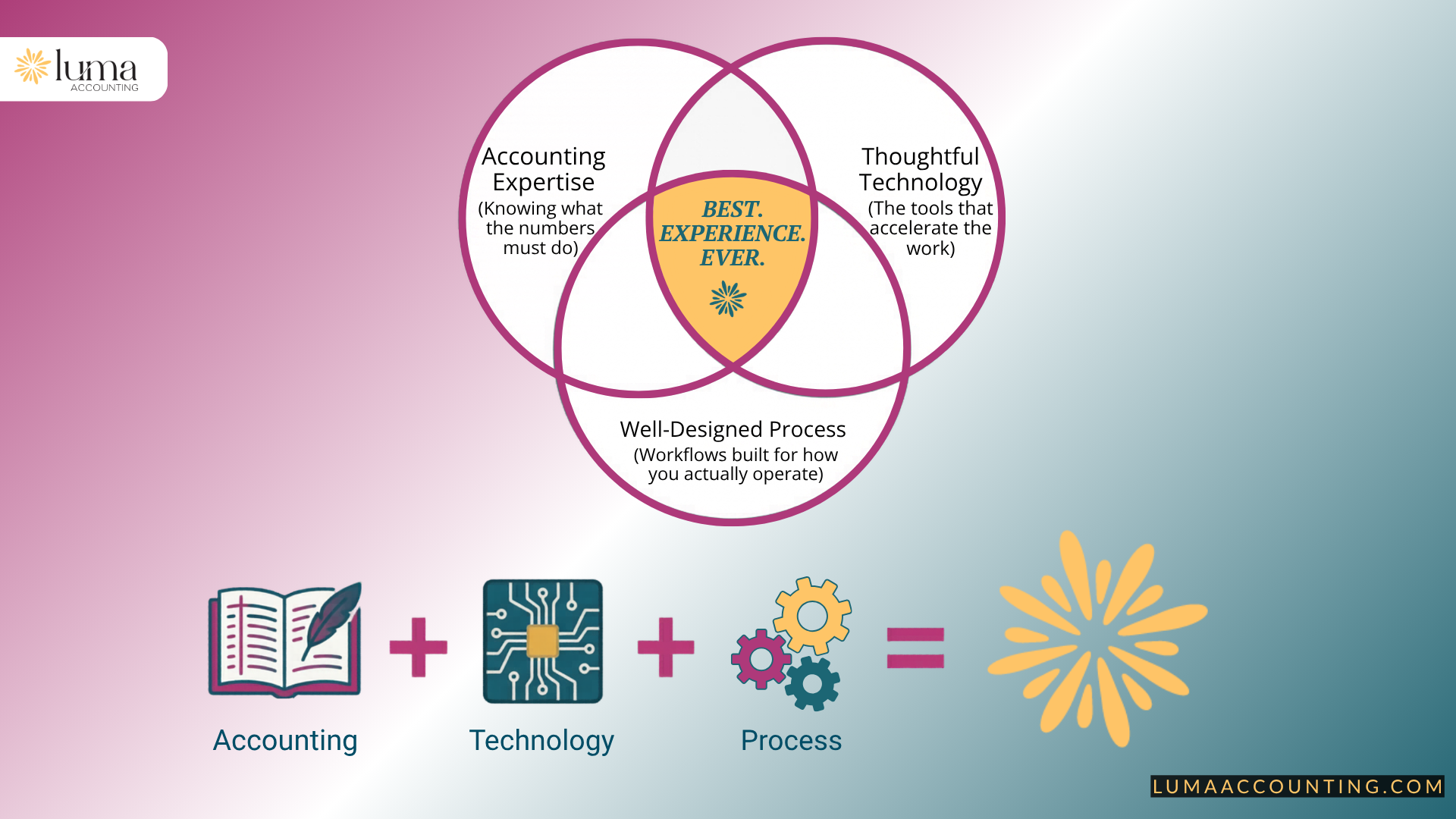
Accounting + Technology + Process
We’ve written before about this being the “secret sauce” at Luma. It’s not just about getting the books right, it’s about designing systems that actually support how a business runs.
And ultimately, it’s part of how we try to deliver what we call B.X.E. – BEST. EXPERIENCE. EVER. – for our clients. When systems are organized and processes actually work, business owners spend less time fighting their numbers and more time running their business.
Over the past year we’ve worked through some pretty interesting challenges with clients, and a few of those solutions felt worth sharing.
Because sometimes the right technology can turn a messy situation into something surprisingly elegant.
And occasionally… even accountants get to have a little fun solving the puzzle.
Case Study #1: Expense Management That Actually Helps Operations
A tool that has become a “go to” solution for many of our clients is Ramp.
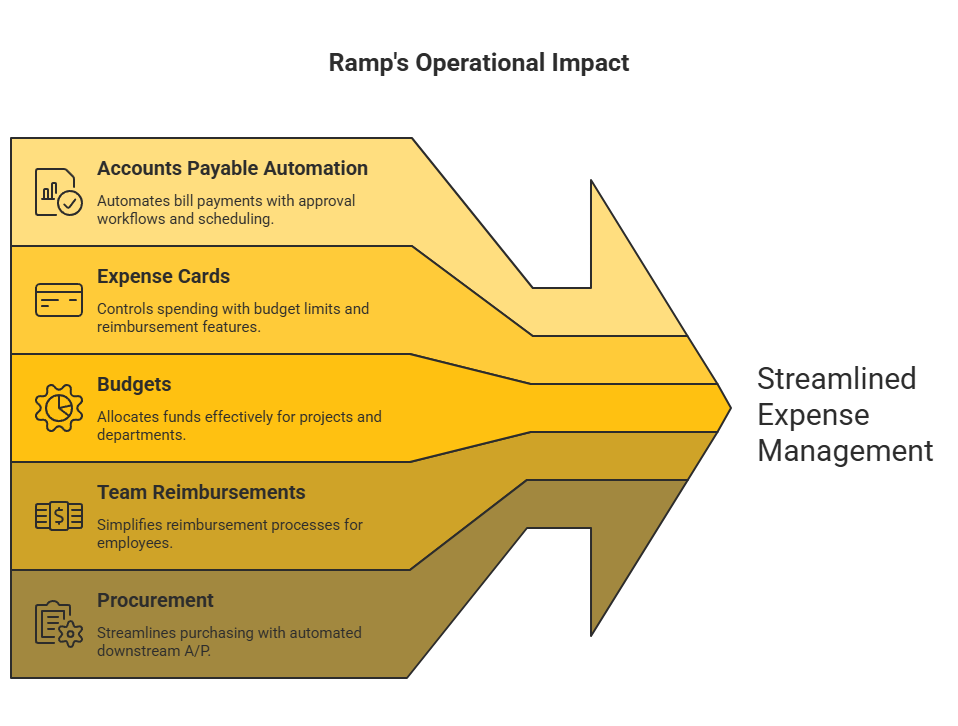
What we love about Ramp is that it can solve several operational problems at once:
- Accounts Payable with approval workflows
- Expense Cards with spending limits
- Budgets for spending for projects or internal departments
- Team Reimbursements
- And new! Procurement which, when used, makes all the downstream A/P even more automated
For example, we’ve used it to help clients with:
- travel expenses & reimbursements
- project-based spending
- budgets tied directly to expense cards
But one of the biggest improvements we’ve seen with Ramp is in the Accounts Payable process. For many businesses, paying bills often involves email chains, forwarded invoices, or verbal approvals. That can make it difficult to track what has been approved, what still needs review, and what has already been paid.
Ramp allows vendor bills to be captured, routed through approval workflows, and scheduled for payment in a structured way. And the “comment” feature keeps questions about purchases from getting lost in the shuffle of other communication tools.
That means:
- approvals happen before payments are released
- documentation stays attached to each transaction
- accounting records are easier to reconcile
- conversations about transactions take place right in the platform, not in email or Slack
Because transactions flow through the system with built-in approvals and documentation, it keeps everyone organized while also making the bookkeeping cleaner on the back end.
Which is something we LOVE.
For business owners, it provides something even better; visibility into spending and confidence that the right controls are in place.
And when spending approvals, receipts, and accounting records all live in the same workflow, the accounts payable process goes from stressful… to surprisingly smooth.
It’s a good example of how strong small business bookkeeping improves day-to-day operations, not just the books, and where our Services naturally overlap with systems and process improvements.
Case Study #2: When One Asset… Isn’t Really One Asset
One client had a situation that looked simple on the surface: they owned hundreds of major assets that were then leased out to customers.
But the reality underneath was much more complicated.
Each asset could include:
- multiple purchased or assembled components to “build” the final asset
- loans tied to the purchase of the assets
- components or remodels added later to existing assets
- lease agreements and invoices for each asset
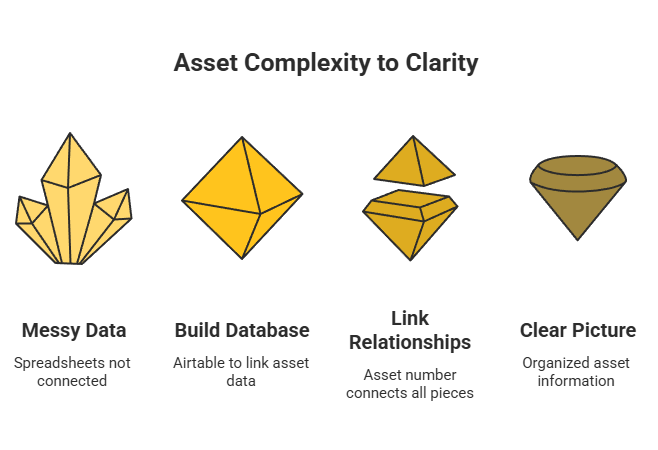
Tracking this inside accounting records alone quickly became messy, requiring multiple spreadsheets, often not connected or talking to each other. What we needed was a way to connect all the relationships between those pieces of data.
So we built a relational database in Airtable.
Within that system we were able to link:
- asset numbers
- component purchases and build detail
- associated financing or loans
- lease agreements and billing activity
Suddenly everything revolved around a single asset number that linked the entire picture together.
From a bookkeeping perspective, this meant the accounting records stayed clean. Instead of forcing operational complexity directly into the accounting software, the detailed relationships lived in a system designed to manage them.
Best of all, at tax time, we can get the information needed for the tax preparer on new additions, assets sold, or retired assets.
For the client, it meant something even better: clarity around what they actually owned, owed, and leased.
Sometimes the hardest part of accounting isn’t the numbers – it’s organizing the story behind the numbers. Once that story is clear, the accounting becomes much easier to understand.
And when a business owner can finally see the full picture of their assets in one place, decisions become easier. That’s the kind of “illumination” we’re always aiming for and a great example of what B.X.E. can look like behind the scenes.
We work with small businesses across the U.S. from our Portland, Oregon base, helping bring this kind of clarity to complex systems and financial data.
Case Study #3: When Manual Data Entry Becomes a Bottleneck
Another common challenge we see?
Volume.
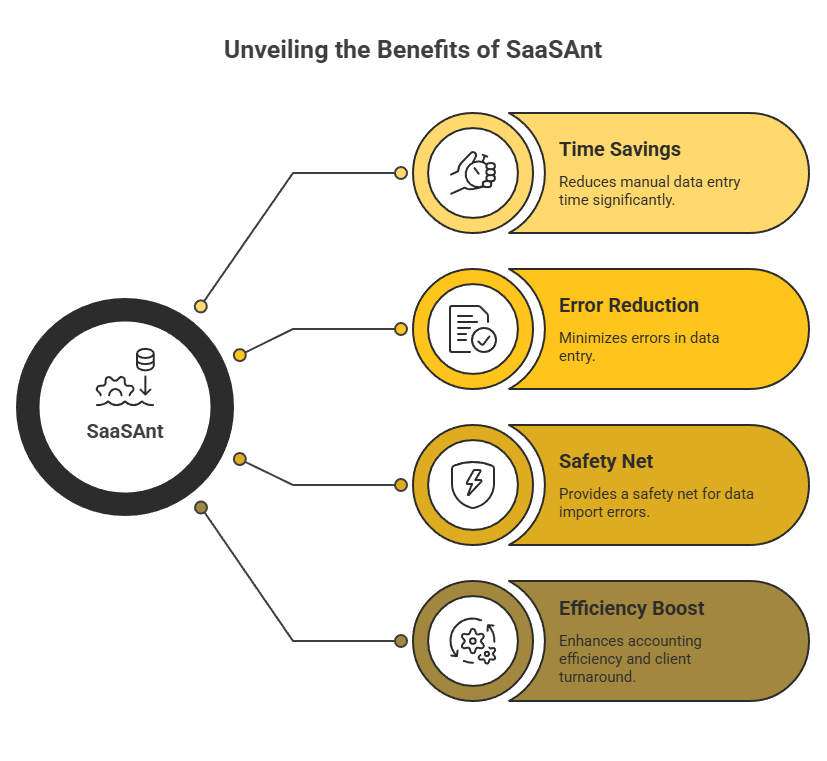
Some businesses generate large batches of invoices or checks every month. And when those transactions are entered manually, two things happen:
- It takes a lot of time
- The risk of mistakes goes up
That’s where a platform called SaasAnt has become incredibly useful for several of our clients. With SaaSant, we can import large sets of transactions directly into QuickBooks Online.
For example:
- monthly invoice batches for high-volume clients
- check runs with 50+ checks at a time
- bulk data entries when migrating or cleaning up records
One client in particular was using QuickBooks Online Plus, which does not have the same batch entry functionality available in QuickBooks Online Advanced. Instead of forcing an upgrade, we implemented SaaSant to fill that gap.
Another advantage?
If something goes wrong during an import, the transactions can be voided or deleted cleanly, which gives us a safety net when working with large data sets.
Less manual entry. Cleaner records. A much happier accounting team and faster turnaround for the client.
Efficiency like this might seem small on the surface, but when repetitive tasks shrink from hours to minutes, it frees up time for the kind of work that actually helps a business grow.
Case Study #4: Making Sense of E-Commerce Sales Data
If you’ve ever run an e-commerce business, you know the numbers can get complicated quickly.
Sales might come from:
- Shopify
- Amazon
- Etsy
- Multiple payment methods on each platform
And on top of that, there’s the small matter of sales tax compliance.
For several of our e-commerce clients, we use a platform called Bookkeep, with automated sales tax reportingto streamline the process.
Instead of syncing every single transaction or building complicated journal entries, the system brings in:
- daily sales summaries by sales channel
- payment type breakdowns and merchant fees
- gift card purchases and usage
- sales tax liabilities
This allows us to maintain organized, accurate records while also keeping the bookkeeping process efficient. The integration with Avalara also helps automate sales tax calculations, reporting, and filings while supporting nexus analysis as businesses expand into additional states.
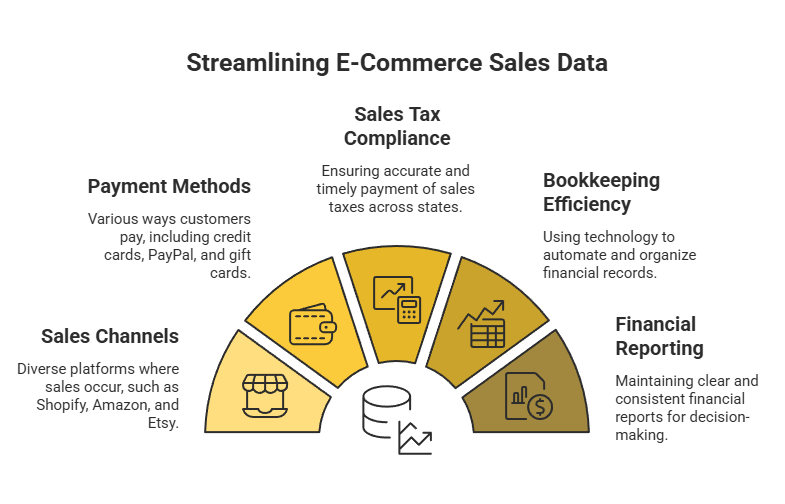
For fast-growing e-commerce companies, knowing where tax obligations exist can become incredibly complex, so having systems that monitor and report that activity is a huge operational win. And from the accounting perspective, the data flows into QuickBooks in a structured way that keeps financial reporting clean and consistent.
When everything from sales channels to tax reporting is connected, the numbers stop feeling chaotic and start telling a clear story.
Technology Alone Isn’t the Magic
At this point you might be thinking:
“Wow… that’s a lot of tech.”
And yes, it is.
But the real magic isn’t the software itself.
The magic happens when you combine:
- Accounting expertise
- Thoughtful technology
- Well-designed process
That combination is what allows businesses to move from confusion to clarity.
It’s also the philosophy that guides how we approach client work at Luma, the idea that the right mix of Accounting + Technology + Process can illuminate what’s really happening inside a business.
And you know what happens then? Business owners can make better decisions, with far less guesswork.
Many clients come to us with “systems” that originated when they were a solopreneur operating out of a truck or home office and then were altered over time as they added team members – spreadsheets layered on top of software layered on top of manual processes.
Our job is often to step back with a fresh eye, understand what’s going well and what’s NOT going well, and rebuild the process in a way that truly supports how the business operates today.
When the right accounting structure, the right technology tools, and the right workflows come together, something powerful happens: the numbers become easier to trust, easier to understand, and easier to use for decision-making.
And that’s when we know we’re delivering on Luma’s mission, helping our clients experience the BEST. EXPERIENCE. EVER. when it comes to their accounting and financial clarity.
Need reliable bookkeeping and accounting support for your Portland business or a growing company anywhere in the U.S.? Luma Accounting helps small businesses build better systems, improve financial clarity, and create processes that actually work. Contact us to schedule a conversation.